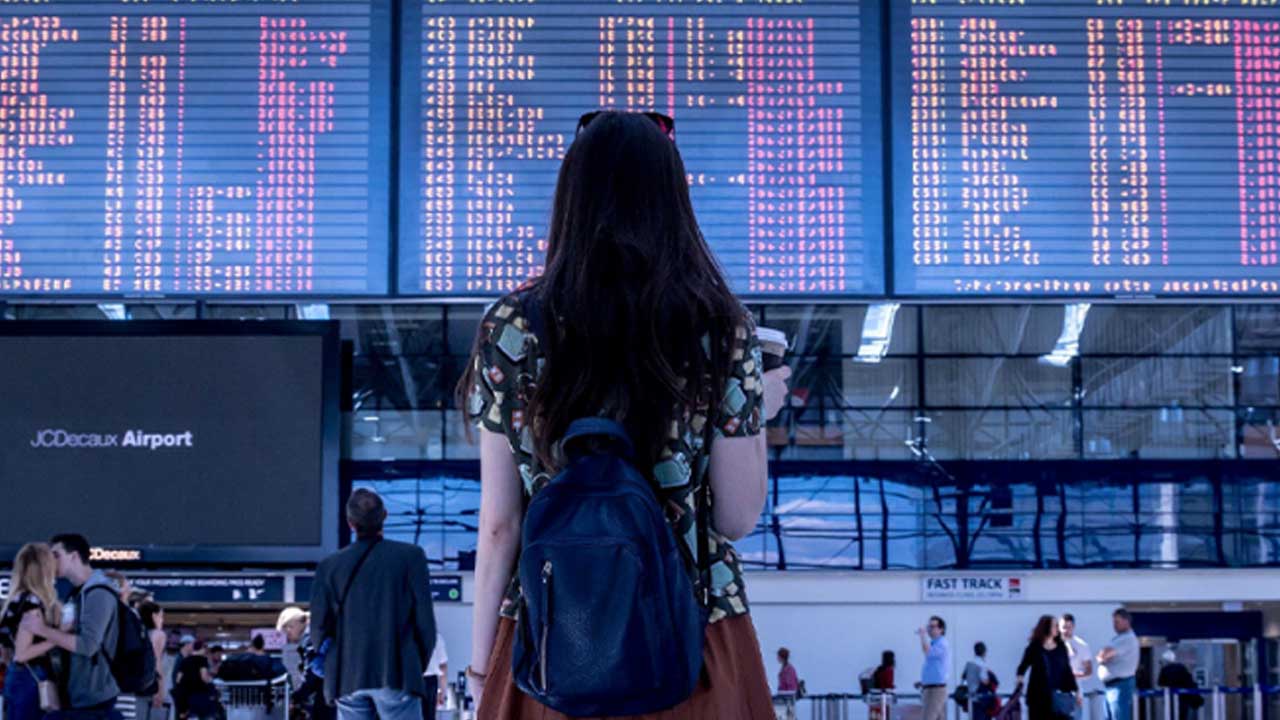
If you wanted to assess the depths of the challenges businesses are facing from the COVID-19 pandemic, you need look no further than the beleaguered aviation industry. Prolonged grounding of passenger fleets, due to travel restrictions, offer a bleak outlook for the sector. Several airlines have already collapsed. Malaysia Airlines is being threatened with liquidation, Virgin Australia has entered administration, and Cathay Pacific has laid off 8,500 staff – as of the time of the writing of this article. The International Air Transport Association (IATA) estimates that air traffic this year will decline 63 percent compared to 2019, and it may take up to five years for passenger demand to reach pre-pandemic levels. Looking into 2021, a rebound in the industry is dependent on countries getting the virus under control and people believing that it is safe to fly internationally.
In the early days of the pandemic, the industry responded by transitioning passenger fleets to cargo planes. More recently, marketing inventions like “Flights to Nowhere” laid on by Qantas, Royal Brunei, Taiwan’s EVA Air, and All-Nippon Airways have proven to be wildly popular among passengers who simply miss the ‘in-flight’ experience. Singapore Airlines chose a different approach. The national carrier launched Restaurant A380@Changi, offering the public the chance to enjoy the SIA dining experienceonboard one of its aircraft, just sitting on the tarmac. Tickets sold out in less than 30 minutes. Also, Finnair is selling their branded business class meals at a Helsinki supermarket. These efforts to stay afloat, with or without government aid, do not hide the fact that the shape of the economic recovery can make or break airline businesses across the region. The question must be asked – how long can this situation go on? However inventive these schemes are, they barely make a dent in the loss of revenue from the suspension of actual flights.
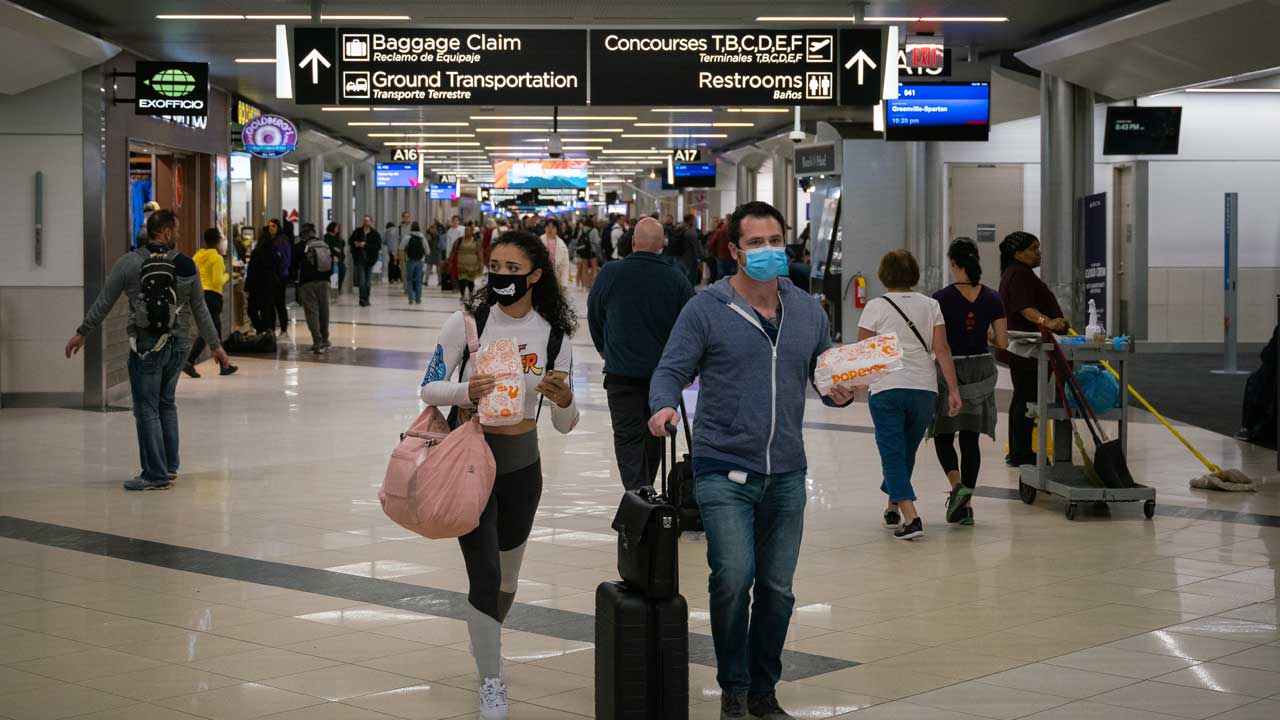
Looking into 2021, a rebound in the industry is dependent on countries getting the virus unders control and people believing that it safe to fly internationally
In India, Fiji Airways India General Manager Sajid Khan believes a V-shaped recovery seems possible for the industry, but only once the borders are reopened for international travel. “The sale is already done,” Sajid noted about travel agents in the country who have retained bookings for annual holidays. “Now all the travel companies are thinking, what do I do with this? Where do I take these people?” He surmises that this opens up opportunities for destinations in Asia that have controlled COVID-19 infections, like Fiji, when the borders reopen for tourists. Brave words, but realistically, which destination will be willing to accept visitors from India, second only to the U.S. in the grim COVID-19 league table?
Here’s the problem; COVID has not shown any signs of retreating, so what airlines choose to focus on now is important. Door to door safety during travel will be a great concern for passengers, so plans to sanitise aircraft fleets, airport terminals, and their transit to and from airports can’t be temporary actions. Measures such as touchless travel, free masks and hiring wellness officers to cover airport terminals and flights add costs to an already stressed industry. Sajid believes that passengers will ultimately win in this scenario.
Moves to enhance the “no-touch” travel experience are underway. Daniel Baron, who operates LIFT Aero Design, an aircraft cabin design studio, acknowledges that touchless travel “promises peace of mind,” adding that the industry needs to get to a state of, “not having to even think about ‘clean’.” Other proposed measures include plexiglass dividers between passengers, staggered row layouts, zig-zag seating, and even space-age transparent bubbles around travellers’ heads. Will such innovations really get passengers back on board? Not on its own.. These are only secondary features for airlines to boast about once destinations are fully open and flight schedules are back to something like normal.
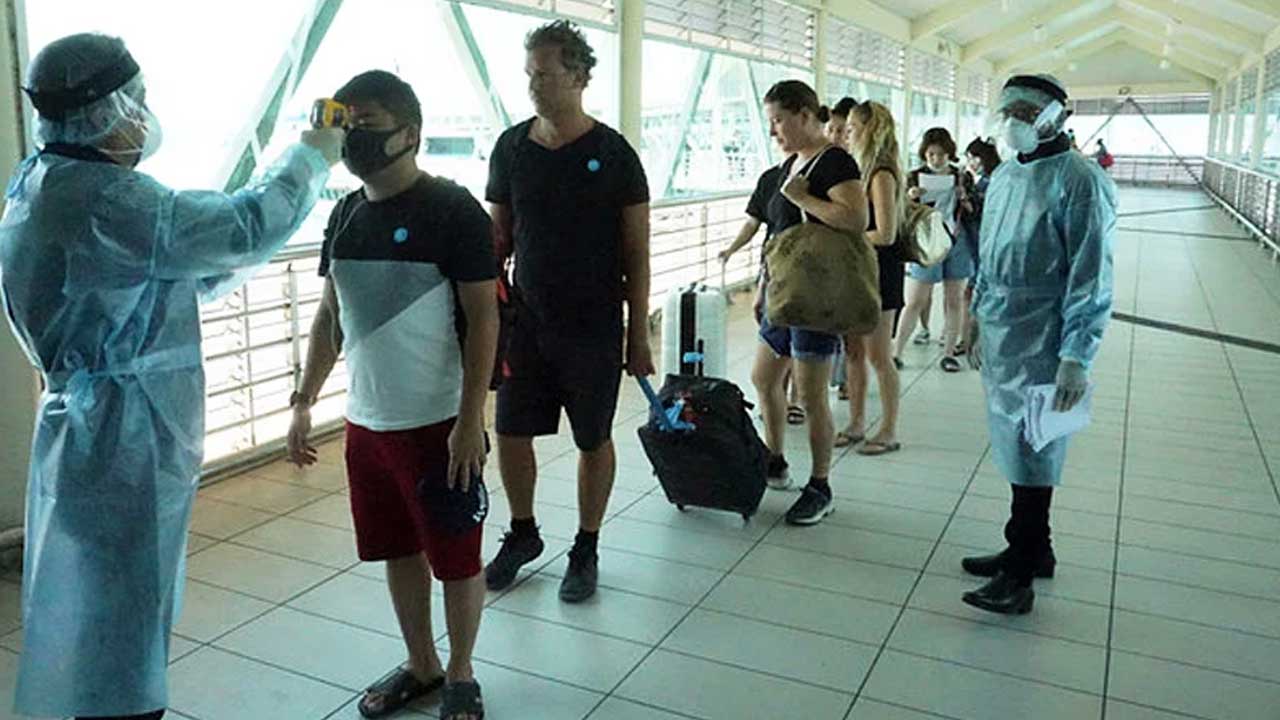
Safety on board the aircraft is not the only issue. Onerous testing procedures and lengthy quarantine periods imposed by authorities have proved a major disincentive to travel, even as borders reopen in some places. The new head of British Airways Sean Doyle said that the UK risks being “left behind” if quarantine measures remain in place.
In remarks to Airlines 2050 conference virtual attendees, he pointed to IATA data suggesting that, since the start of 2020, 1.2 billion people have travelled but only 44 coronavirus cases have been linked to flights. He told the conference, “the best way to reassure people is to introduce a reliable and affordable test before flying.”
Governments are doing all they can to restore regular flights, once control over the virus is deemed good enough to warrant the risk. Air corridors are being established between countries and cities considered safe for visitors, including Australia to New Zealand and Singapore to Hong Kong. Singapore Airlines also plans to restore non-stop flights between the island state and New York. Thailand is negotiating with China to set up a quarantine-free corridor by the end of this year, and the UK and U.S. are in similar talks. The UK established an air bridge with Portugal in late August – and closed it again a few weeks later as COVID-19 cases rose. The conclusion is obvious; the overwhelming need is to conquer the virus, and no one can confidently predict when this happy state of affairs will be achieved.
Consumers wield considerable power in determining the fate of the industry. If they aren’t comfortable flying, airlines will continue to suffer. A survey by Wego.com of Asia Pacific travellers conducted between May and June of this year found that 39 percent plan to book a trip once international flights resume. More than half of would-be travellers would only consider getting on a plane again when they personally feel it is safe to travel, according to GlobalWebIndex.
Airlines must do more than implement cosmetic measures and cross their fingers that they can survive until a vaccine is available. Colin Neubrunner, vice president of marketing at Oman Air, says airlines need to move beyond merely surviving. He believes the crisis has exposed serious structural issues around the industry’s decades-old practices, adding that a major digital overhaul is long overdue. To him, this means fewer, smaller carriers and transforming the business model to focus on selling travel experiences, rather than just seats.
If you are an optimist like Sajid, you may believe that once travel restrictions are lifted, consumers will simply be eager to return to air travel with a vengeance, after having taken family holidays for granted. Outdated business models and shaky consumer confidence may facilitate a radical restructuring of the aviation industry, that delivers flights the way Uber serves up taxis, or Netflix keeps us hooked on watching videos.
Airlines must do more than implement consmetic measures and cross their fingers that they can survive until a vaccine is available
Low-cost, domestic-focused carriers may be the first to recover as leisure travellers focus on value. China’s budget carrier Spring Airlines is seeing this exact trend as the country’s domestic aviation market rebounds. In September, Spring’s passenger traffic was up 47 percent and the airline’s load factor was close to 90 percent as it redirected planes from closed international markets. In the face of global industry gloom, Spring has added more than 60 domestic routes since May and will put on another 20 in the coming months.
Full-service carriers, like Japan Airlines, have indicated they may follow Spring’s example and expand low-cost offerings. But Spring’s positive outlook is only possible because China – for now at least – has the pandemic under control. Whether airlines switch to a digital business model or follow traditional cost-cutting tactics, the 1,000pound gorilla is still sitting in the corner. Until the pandemic is over, the future of aviation can only be described as turbulent.